







Commercial renovation work across Ontario, from retail refits in Hamilton to industrial upgrades in the Greater Toronto Area, often begins with selective demolition. For projects requiring controlled removal, selective demolition contractor Ontario services from Flatten Services Inc. offer one example of the specialized experience owners may evaluate. Based in Stoney Creek and working throughout the Golden Horseshoe and across Ontario, the company focuses on commercial and industrial demolition and abatement, including hand labor demolition, strip-outs, concrete cutting, floor grinding, and asbestos and mould abatement.
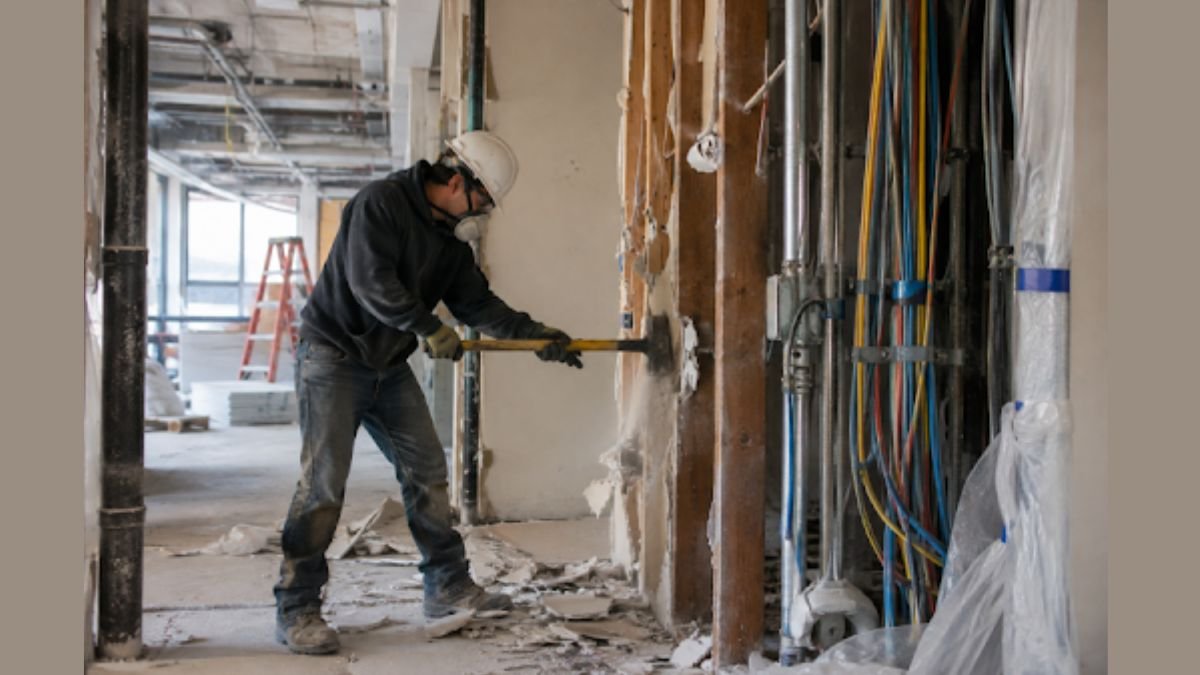
Unlike complete building demolition, selective demolition removes only the elements required for the next stage of work. Careful preparation helps renovation teams preserve structural components, protect active building systems, manage waste, and reduce disruption for occupants and neighboring businesses.
1. What Selective Demolition Means
Selective demolition is the planned removal of specific materials or assemblies within an existing building. Common scopes include flooring, suspended ceilings, partitions, millwork, fixtures, façade components, concrete sections, and outdated mechanical finishes. A downtown office renovation, for example, may remove enclosed offices and old finishes while keeping the building shell, elevators, sprinkler mains, and primary HVAC systems in place.
Hand removal can be especially useful near live services, finished surfaces, occupied areas, and structural elements that require precision. Larger equipment may still be appropriate in open, approved work zones where access and structural conditions allow it.
2. Why Early Planning Matters
Opening walls and ceilings can reveal undocumented wiring, abandoned piping, concealed damage, or materials that need further assessment. Reviewing the work before crews mobilize gives the general contractor, designer, engineers, and demolition team time to clarify what stays, what goes, and what must be isolated.
Early planning also supports more realistic allowances for labor, equipment, disposal, protection, and scheduling. It can reduce the likelihood that a crew removes an item another trade expects to remain, or that renovation work pauses because a service was not identified.
3. How to Review the Site Before Work Begins
- Review available drawings and renovation records. Older buildings may have changes that do not appear on current plans.
- Walk the full work area. Record access points, ceiling heights, delivery routes, restricted areas, and nearby occupants.
- Locate active services. Confirm electrical, plumbing, sprinkler, gas, HVAC, data, and communication lines.
- Assess structural conditions. Identify damaged slabs, unstable partitions, water damage, and loading limits.
- Mark items to remain. Include fire equipment, elevators, tenant property, finished surfaces, and operational machinery.
- Document existing conditions. Dated photographs and marked-up drawings create a useful project record.
Before authorizing demolition, owners should request a written scope, defined limits of removal, protection requirements, and a proposed sequence of work.
4. Hazardous Materials and Asbestos Checks
Demolition can disturb hidden materials, including asbestos-containing materials, lead-based coatings, mould, silica-producing materials, and mercury-containing equipment. Visual inspection alone cannot confirm whether a material contains asbestos, so suspected materials should not be drilled, cut, sanded, or removed casually.
Ontario owners and contractors should understand the Ontario asbestos demolition requirements that apply when work may disturb asbestos-containing material. A qualified hazardous-materials survey and a clear abatement plan help determine whether specialized containment, worker protection, air controls, and disposal procedures are needed.
- Confirm whether a designated-substance survey is available.
- Identify responsibility for testing, reporting, and corrective work.
- Separate required abatement from general demolition activities.
- Stop and secure the affected area if unknown material is discovered.
5. Building a Safe Removal Sequence
Demolition should follow a deliberate order rather than start wherever materials appear easiest to remove. A typical sequence begins with permits, surveys, utility isolation, barriers, signage, and protected access routes. Crews can then remove contents and reusable items, complete required abatement, take out finishes and partitions, perform approved concrete cutting or openings, load debris, and inspect the cleaned area before handover.
The exact sequence varies with structural conditions, renovation design, access limitations, and whether the building remains occupied.
6. Working in Occupied Commercial Spaces
Active stores, offices, schools, healthcare settings, and shared commercial buildings need tighter coordination. Sealed work zones, controlled entry points, housekeeping, and clear notices help separate demolition from daily operations. Emergency exits, accessible paths, and fire routes must remain usable.
For example, a retail renovation may use phased removal so customers and employees continue using one portion of the store while work proceeds behind a protected barrier. Scheduling loud work outside peak periods and controlling dust near shared HVAC systems can reduce disruption.
7. Waste Sorting and Disposal
Waste handling belongs in the demolition plan from the beginning. Separate clean concrete, metals, wood, gypsum, cardboard, mixed waste, and regulated materials where practical. Bin locations should allow truck access without blocking pedestrians, tenant deliveries, or emergency routes. Hazardous materials require appropriate packaging, handling, and documentation.
Sorting can also make sites easier to manage and may support recycling or reuse goals when materials meet receiving-facility requirements.
8. Choosing the Right Demolition Team
When comparing contractors, look beyond a single price. A useful proposal identifies the work limits, removal methods, protection measures, equipment assumptions, waste handling, working-hour limits, exclusions, and process for unexpected conditions.
- Relevant commercial or industrial project experience.
- Experience with selective, interior, exterior, and hand demolition where needed.
- Clear safety supervision, insurance, training, and hazardous-material procedures.
- Ability to coordinate containment, concrete work, disposal, and cleanup.
- References from projects with similar occupancy, access, or schedule constraints.
9. Common Questions From Project Owners
How early should selective demolition be planned?
Planning should begin during design and pre-construction, before final scheduling and trade coordination are locked in. Survey needs, permits, access, and building conditions all affect timing.
Is hand demolition safer than machine demolition?
Neither method is automatically safer in every situation. Hand work can provide added control in sensitive or confined areas, while equipment can be efficient in larger approved zones. The proper method depends on the structure, access, materials, and controls in place.
What should happen if hidden damage or hazardous material is found?
Stop work in the affected area, secure it, notify the project lead, document the condition, and obtain the appropriate assessment before continuing.
10. Final Checklist for Projects
- Is the demolition area clearly marked and separated from active spaces?
- Have drawings, renovation records, utilities, and structural risks been reviewed?
- Has a hazardous-materials assessment been completed where needed?
- Are dust, noise, debris, and access controls ready for occupied areas?
- Is the removal sequence documented and understood by the project team?
- Are disposal routes, bins, and waste procedures in place?
- Does the quote explain assumptions, exclusions, and change conditions?
Successful selective demolition depends on preparation, communication, and controlled execution. When Ontario renovation teams define the scope, address hazards, and protect what must remain before removal begins, they create a safer and more efficient starting point for the work that follows.