








Buying near Capitola’s beaches, village streets, and coastal bluffs can be exciting, but a great view should never be the entire basis for a serious offer. A home’s drainage, maintenance history, insurance options, permits, and day-to-day location can matter just as much as its finishes or proximity to the water.
For buyers comparing Capitola, Aptos, Soquel, Live Oak, and Santa Cruz properties, Capitola, CA real estate agents EF Homes offer regional home-search and valuation resources alongside buyer and seller guidance. EF Homes, led by Erick Fernandez, works across Santa Cruz County and brings experience from more than 1,000 transactions, making the local perspective especially useful when a property’s condition, microclimate, or neighborhood setting needs closer review.
Why Coastal Homebuying Takes More Than a Great View
Coastal California homes can experience conditions that are easy to overlook during a short showing. Moist air, wind, salt exposure, seasonal rain, sloped lots, and limited access can all influence upkeep and future repair planning. A home that looks polished in listing photos may still require attention to exterior metal, paint, roof details, drainage paths, windows, decks, or retaining structures.
That does not mean every coastal property is a high-risk purchase. It means buyers should treat the home, lot, records, and surrounding area as one decision. Careful due diligence before submitting an offer gives you a better chance to identify costs and limitations while you still have choices.
Start With a Full Ownership Budget
Loan approval tells you what a lender may finance. It does not automatically show what will feel manageable after closing. Build a monthly and annual ownership budget that includes more than principal and interest.
- Property taxes and homeowners insurance
- Flood, earthquake, or other supplemental coverage where appropriate
- HOA dues, if the property is part of an association
- Utilities, landscaping, cleaning, and routine maintenance
- Repair reserves for aging systems and unexpected problems
- Closing costs, inspections, moving expenses, and initial improvements
California buyers can use the state’s homebuyer planning guidance as a starting point for considering taxes, insurance, maintenance, and other costs that exist beyond the mortgage payment. Add a realistic reserve for work that may not be urgent today but could become necessary during your first years of ownership.
Compare Neighborhood Fit, Not Just Property Features
A kitchen can be updated. A difficult commute, persistent traffic issue, or lack of practical parking is harder to change. Before focusing on cosmetic details, test whether the neighborhood supports the way your household actually lives.
- Drive the likely commute during normal weekday travel times.
- Visit on a weekday, weekend, and evening to observe activity and noise.
- Walk the routes to beaches, shops, schools, parks, or transit if those matter to you.
- Check street parking, driveway access, guest parking, and delivery access.
- Ask about nearby construction, planned road work, and zoning that could affect the setting.
In and around Capitola, two homes with similar square footage can deliver very different daily experiences. A smaller home with easier access to work, groceries, recreation, and services may be the better long-term fit than a larger home that creates daily friction.
Review Coastal Conditions Before Making an Offer
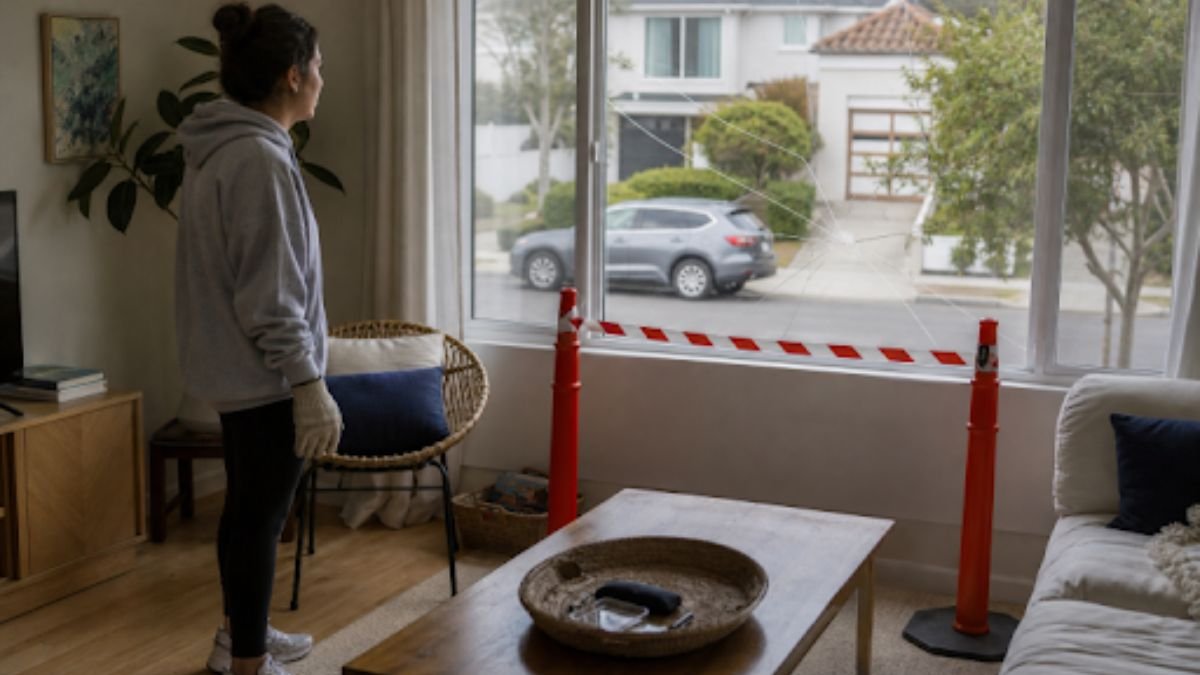
Look closely at both the house and the site. During showings, note musty odors, stained ceilings, peeling paint, rusted hardware, soft deck boards, cracked paving, or areas where water appears to collect. Ask the seller about prior leaks, water intrusion, storm damage, drainage work, and insurance claims.
Pay Attention to the Lot
- Observe the slope and where rainwater appears likely to travel.
- Inspect retaining walls, exterior stairs, decks, patios, and railings.
- Consider wind exposure around windows, doors, and outdoor spaces.
- Ask how gutters, downspouts, and surface runoff are directed.
- Evaluate whether mature landscaping could affect drainage or maintenance.
Coastal concerns are not limited to homes directly beside the beach. A property farther inland may still have drainage, hillside, access, or weather-exposure issues that deserve professional review.
Check Permits, Zoning, and Future Improvement Rules
Do not assume that a finished room, deck, garage conversion, or added bathroom was approved simply because it is part of the current layout. Compare the listing information with available public records, seller disclosures, and permit history. If the square footage or improvements do not align, ask questions before removing contingencies.
Also review setbacks, easements, lot coverage, and the feasibility of future plans such as an addition, remodel, ADU, or major landscaping project. In California’s coastal zone, certain work may require local review or a coastal development permit, so buyers should review the coastal development permit process before treating a future project as guaranteed.
Read the Disclosure Package With Care
Disclosures are not just transaction paperwork. They are a working list of issues to understand, verify, and discuss with the appropriate professionals. Review the Transfer Disclosure Statement, seller questionnaire, natural-hazard information, preliminary title report, inspection reports, permit records, and HOA documents when applicable.
As you read, keep a written question list. Focus on past water intrusion, repairs, insurance claims, unpermitted work, boundary questions, utility costs, solar agreements, HOA assessments, and recurring maintenance. A vague answer is a reason to investigate further, not a reason to ignore the topic.
Know Which Inspections Matter Most
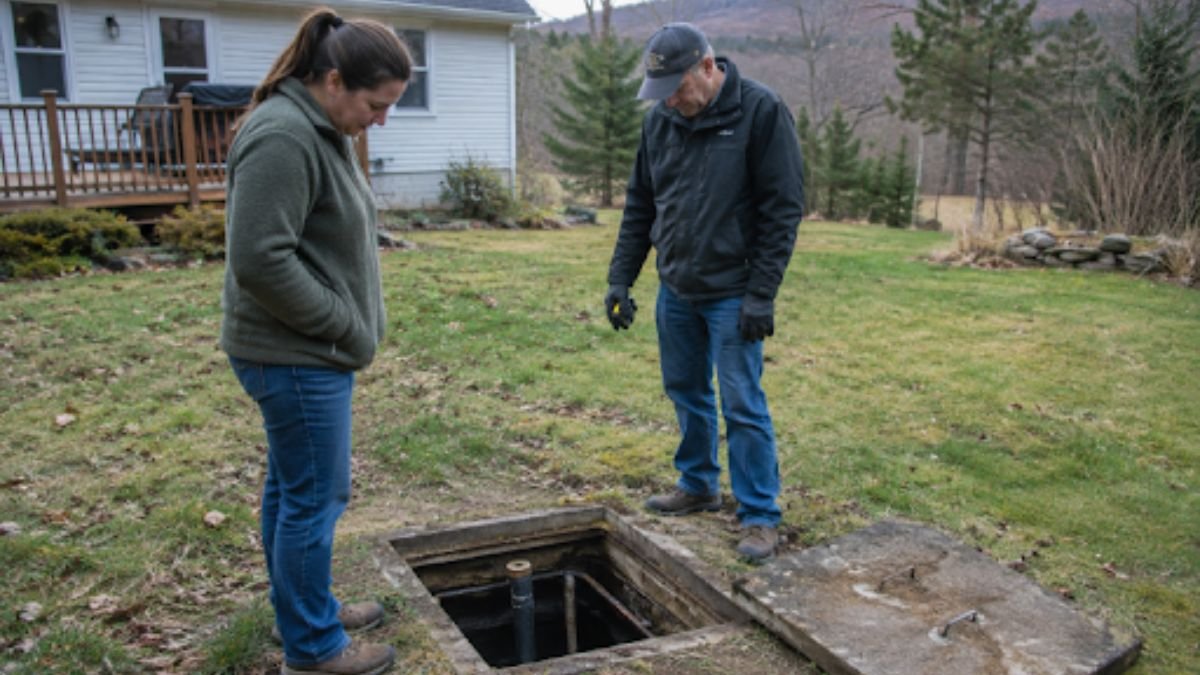
A general home inspection is valuable, but it may not answer every property-specific question. Depending on the home, consider separate evaluations for the roof, pests, chimney, foundation or structure, drainage, electrical system, plumbing, septic system, well, and major appliances.
For example, an older kitchen may be perfectly acceptable if it functions well and fits your budget. The calculation changes if inspections indicate that the roof, electrical panel, and site drainage could all need substantial work in the near term. Ask inspectors to distinguish immediate safety concerns from routine maintenance and longer-term planning items.
Build a Simple Pre-Offer Decision System
- Set the true budget. Include recurring ownership costs and a repair reserve.
- Review the location. Test commute time, noise, access, parking, and daily convenience.
- Study the records. Check disclosures, permits, title matters, and HOA materials.
- Estimate near-term repairs. Prioritize roofing, drainage, structure, plumbing, and electrical systems.
- Match the offer to the evidence. Consider comparable sales, condition, risks, and total monthly cost together.
Final Takeaway: Let the Details Guide the Decision
The best Capitola-area home purchase is not necessarily the property with the newest finishes or closest ocean view. It is the home that fits your budget, lifestyle, condition tolerance, and future plans after careful review. A clear pre-offer checklist helps turn excitement into useful information, so you can move forward with greater confidence in 2026.