








A broken window, patio door, shower panel, mirror, or storefront can turn an ordinary Bay Area day into a safety and security problem. Whether the cause is an accident, a break-in, building movement, or a sudden gust through an open entry, the first priority is protecting people from sharp fragments and unstable glass.
For San Francisco Bay Area property owners, Ace Glass Co. offers residential and commercial glass replacement alongside storefront systems, door work, custom glass fabrication, safety glazing, emergency board-up, and restoration services. That breadth matters when the issue involves more than a single pane, such as damaged hardware, an exposed storefront, a cracked insulated unit, or a door that no longer closes securely.
1. Take These Steps First
Do not rush to sweep up the mess. Broken glass can remain in carpet, window tracks, door thresholds, landscaping, and nearby furniture long after the obvious pieces are gone. If a pane is still in the frame, avoid touching or pressing it. A cracked pane can shift unexpectedly, especially around a door or opening that people continue to use.
Immediate Safety Checklist
- Move children, pets, visitors, and coworkers away from the area.
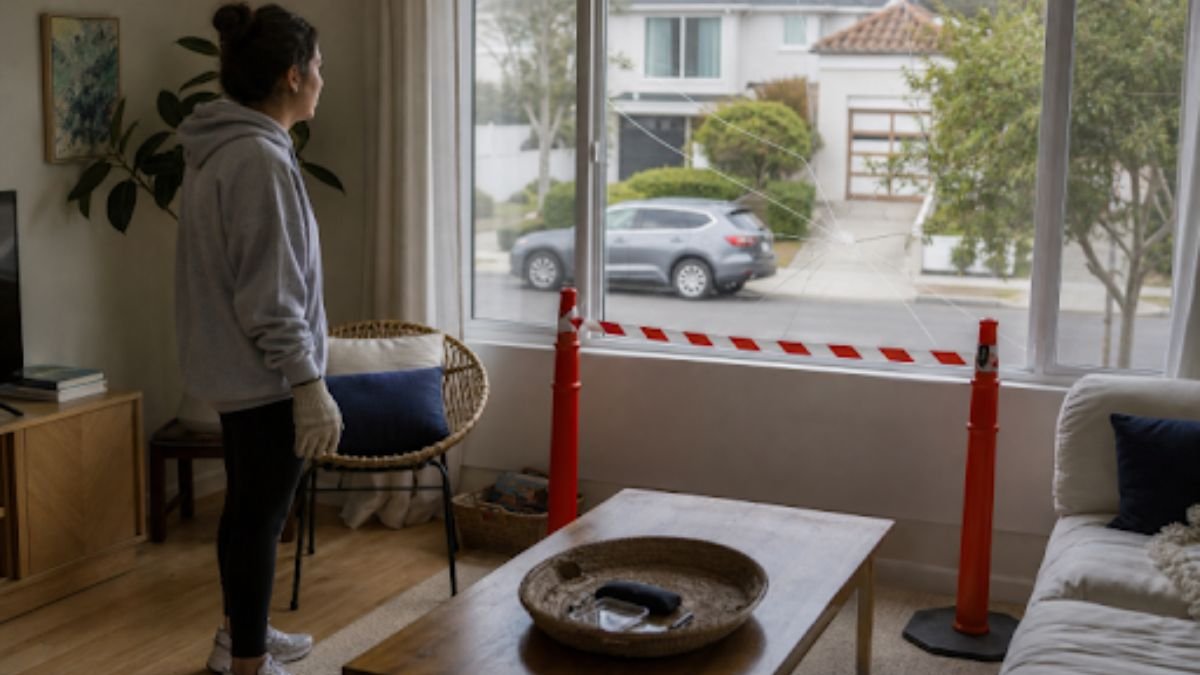
- Block access with chairs, cones, tape, or another visible barrier.
- Put on sturdy shoes, gloves, and eye protection before cleanup.
- Turn off nearby fans that could move tiny fragments around the room.
- Keep clear of glass above walkways, doorways, or seating areas.
- Seek urgent medical help for serious cuts, embedded glass, or eye injuries.
2. Identify the Type of Damage
A close look from a safe distance can help explain what happened and guide the next call. Take photos of the pane, frame, room, or storefront, and any visible impact point before removing materials.
- Small chip or surface scratch: May be cosmetic, but should be evaluated if it is deep or near an edge.
- Long crack: Can spread as the glass and frame respond to use or changing temperatures.
- Shattered safety glass: Often breaks into many small pieces and still requires careful containment.
- Cracked laminated glass: May remain held together by its inner layer, but it is not necessarily secure.
- Fogged insulated glass: Can indicate a failed seal between panes.
- Frame or hardware damage: Includes bent tracks, loose settings, damaged locks, broken hinges, or door closer problems.
3. Protect the Opening Temporarily
Bay Area weather can change quickly between fog, wind, rain, and bright afternoon sun, so an open window or storefront should be protected promptly. Temporary boarding or containment can limit water entry, discourage unauthorized access, and keep fragments from falling. It should be installed only when it can be done without leaning on unstable glass or working from an unsafe position.
- Close off the area and remove nearby valuables or breakable items.
- Collect large pieces with tools rather than your bare hands.
- Use a rigid temporary covering that can be securely fastened to sound framing.
- Keep coverings away from heaters, electrical equipment, exits, and sprinkler components.
- Check the temporary barrier regularly until permanent work is completed.
4. Repair or Replace?
Not every damaged surface needs a full replacement. Some superficial scratches, staining, graffiti, or minor surface defects may be candidates for restoration. Replacement becomes more likely when damage affects strength, weather resistance, security, or safe operation.
Repair May Be Possible When
- The issue is limited to a small surface scratch, chip, or removable surface damage.
- The pane remains stable, and the frame, seals, and hardware are sound.
- A qualified professional determines restoration will not compromise safe use.
Replacement Is More Likely When
- A crack reaches an edge or travels across the pane.
- The glass is in a door, entry, railing, shower enclosure, or overhead location.
- Moisture appears between insulated glass panes.
- The frame, lock, hinge, track, or closer is also damaged.
- The existing glazing is not appropriate for the location’s safety needs.
5. What Homeowners Should Check
In a house, condominium, or apartment, look beyond the visible break. Check surrounding flooring, window coverings, furniture, and exterior paths for fragments. A patio door with a corner crack may still appear usable, but opening and closing it can place additional stress on the glass and frame.
- Check for water entry around the frame after rain or foggy conditions.
- Keep children and pets away until the area is fully cleaned and inspected.
- Ask whether an insulated, tempered, or laminated replacement is suitable.
- Review the insurance deductible before filing a small claim.
6. What Businesses Should Check
A damaged storefront or office entrance affects more than appearance. It can interrupt customer traffic, expose inventory, weaken security, and create liability concerns. Preserve security footage when possible, photograph the scene, and contact law enforcement if a break-in or vandalism may have occurred.
- Protect employees and customers from the hazard.
- Notify the property manager, owner, and insurance carrier as appropriate.
- Arrange board-up or secure containment before reopening the area.
- Inspect door closers, locks, pivots, and framing before normal use resumes.
- Consider whether stronger security glazing or a better-matched storefront system is warranted.
7. When to Call a Glass Professional
Professional help is the safest option for large panes, unstable cracks, overhead glazing, glass doors, commercial entrances, insulated units, and damage near electrical or mechanical equipment. Ask about emergency availability, temporary protection, replacement glass type, expected timing, warranties, and whether frame or hardware repairs are included.
8. Ways to Reduce Future Glass Damage
Prevention starts with matching the glass to its use. The federal safety standard for architectural glazing covers several high-impact locations, including doors, shower enclosures, and sliding glass doors, as explained in the Consumer Product Safety Commission’s guidance on architectural glazing.
- Use appropriate safety glazing in doors, sidelights, bathrooms, and busy passageways.
- Consider laminated glass where fragment retention or added security is important.
- Repair loose hardware and misaligned doors before they stress the glass.
- Keep heavy furniture, carts, and equipment away from exposed panes.
- Inspect seals, frames, tracks, and closers as part of regular maintenance.
9. Common Questions
Can Broken Glass Be Cleaned Up With a Vacuum?
Pick up large pieces with tools first. A household vacuum may not be the best first step because sharp fragments can damage it or remain in attachments. Use care around rugs, cracks in flooring, and window tracks.
Should a Cracked Window Be Taped?
Tape can make a crack more visible and may offer limited short-term containment, but it is not a structural repair. Do not rely on tape for a cracked door, bowed pane, or spreading fracture.
Does Insurance Cover Broken Glass?
Coverage depends on the policy, the cause of loss, the deductible, and prior claims. Document the damage before cleanup and contact the insurer if the event may be covered.
What Is the Safest Glass for a Door?
Tempered and laminated glass provide different benefits. Tempered glass is designed to break into smaller fragments, while laminated glass can help retain fragments after cracking. The right choice depends on the door system, location, and applicable requirements.
Conclusion
Broken glass calls for a calm sequence: clear the area, document the damage, secure the opening, and arrange the right repair. In San Francisco and across the Bay Area, a thoughtful response protects people first, then helps preserve the comfort, security, and daily function of the property.