








Homes beyond municipal sewer service in and around York, Pennsylvania, may rely on an on-site wastewater system. Before making an offer, buyers should treat the septic system as an important part of the property, not simply a hidden utility that can be reviewed after closing.
A septic issue does not automatically make a home a poor purchase. Buyers researching residential septic systems should understand the property’s records, arrange a septic-specific evaluation, and consider how the system fits the home’s present and planned use. Conditions such as lot layout, drainage, soil, household water use, and system age can all affect the next owner’s responsibilities.
Why Septic Review Matters Before Closing
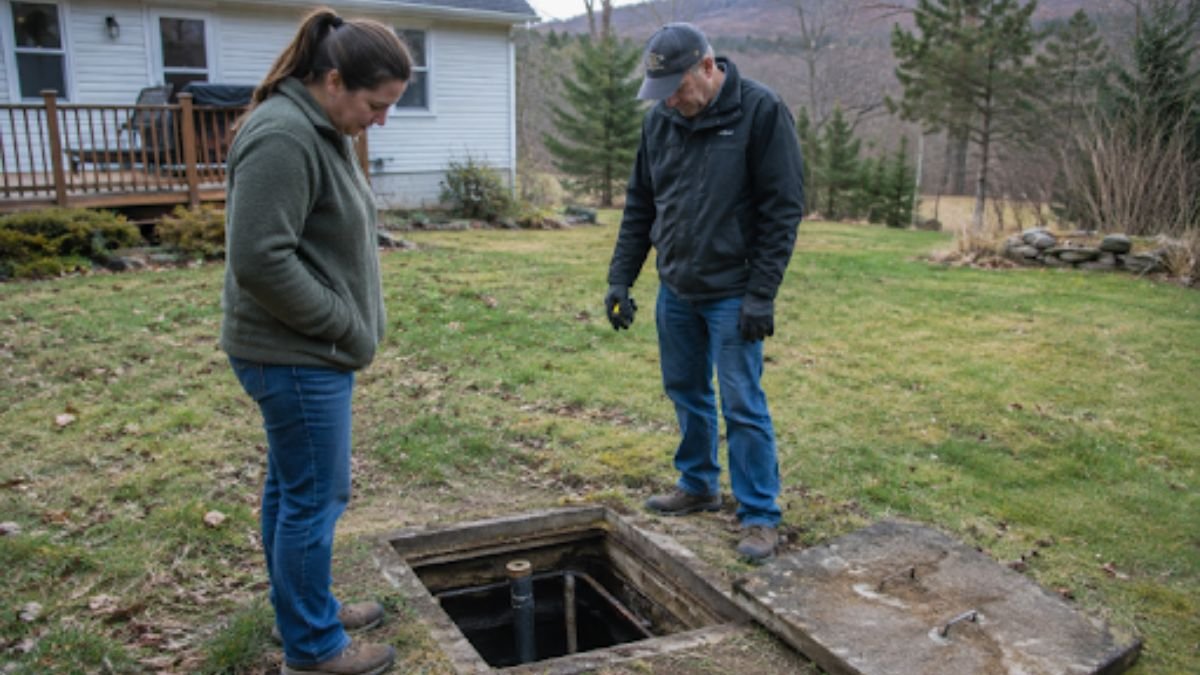
A standard home inspection can identify visible plumbing concerns, but it may not fully evaluate buried septic components or the drainfield. A separate review can help a buyer discover missing access covers, damaged pipes, overloaded systems, or evidence that wastewater is not moving through the property as intended.
Owners of larger properties, rental units, churches, shops, or businesses should also understand that wastewater needs can differ from those of a single-family home. Information about commercial septic systems can be useful when a property includes a business use or a building with higher-than-residential occupancy.
How a Residential Septic System Works
Most conventional systems include a septic tank, inlet and outlet pipes, and a soil treatment area commonly called a drainfield. Wastewater enters the tank, where solids settle, and floating materials remain near the top. Liquid then exits the tank and moves toward the drainfield, where soil helps treat it.
Some systems also have a distribution box, pump tank, alarm, filter, or advanced treatment equipment. One weak component can create stress elsewhere. For example, a clogged outlet filter or failing pump may restrict flow, while a saturated drainfield may eventually contribute to slow fixtures or backups inside the home.
Records and Documents to Request
Ask the seller for documents early, while there is time to investigate unanswered questions. Useful records may include:
- Original permits, approved plans, and diagrams showing the tank and drainfield.
- Pumping receipts, inspection reports, and maintenance notes.
- Invoices for repairs, replacement parts, or upgrades.
- Records for additions, finished basements, or changes in bedroom count.
- Any notices, correspondence, or compliance requirements from the relevant local authority.
Missing records do not prove that a system has failed. They do make it more important to locate the components, verify the system’s capacity, and obtain a qualified inspection before the contingency period ends.
What a Septic Inspection Should Cover
A septic inspection should be tailored to the property and the type of system present. The inspector may assess tank access and condition, inlet and outlet piping, sludge and scum levels, filters, pumps, alarms, distribution components, and visible drainfield conditions.
The inspection and pumping schedule recommended for a system can depend on tank size, household size, water use, and accumulated solids. Buyers should ask whether pumping is included in the inspection scope or must be scheduled separately, since opening and evaluating the tank may provide information unavailable from a surface-only review.
Match Capacity to the Home’s Use
Confirm how many bedrooms the system was designed to serve and compare that number with the home’s current layout and intended use. A finished room, guest suite, or planned household change may increase wastewater demand even if the property’s plumbing appears to be working during a brief showing.
Warning Signs to Look for During a Property Visit
Buyers should pay attention to conditions that warrant further review, including slow drains throughout the home, gurgling toilets, sewage odors, wet ground near known septic components, standing water in dry weather, or an unusually lush strip of grass over one part of the yard. Fresh soil or unexplained excavation can also justify questions about recent work.
No single sign proves a septic failure. A plumbing clog, recent rainfall, or landscaping work may have another explanation. Still, visible or odor-related concerns should be documented and discussed with the septic inspector rather than dismissed.
Why Tank and Drainfield Location Matters
Buyers should know where the tank, drainfield, cleanouts, electrical controls, and replacement area are located. These details can affect plans for a deck, garage, driveway, shed, pool, garden, fencing, or addition. Buried components also need reasonable access for inspection and service.
Before planning improvements on a York County property, check applicable permit, setback, and land-use requirements with the appropriate local office. Do not assume an open-looking section of yard is available for construction simply because it is not landscaped.
Reviewing Pumping and Maintenance History
Consistent service records can reveal whether the system has received routine attention and whether repairs were isolated events or recurring problems. Ask when the tank was last pumped, whether the system has alarms or pumps, and whether prior work corrected the underlying cause of a problem.
A long gap in records should prompt questions, not automatic conclusions. Future owners should keep permits, diagrams, invoices, inspection reports, and maintenance reminders together in one accessible file.
Checking a Private Well and Water Supply
If the property has a private well, evaluate it separately from the septic system. Request available water-test results, ask about pressure and treatment equipment, and identify the well location. Properly functioning septic systems help reduce risks to groundwater, while poorly treated wastewater can create water-quality concerns.
Questions to Ask the Seller and Inspector
- How old is the system, and when was it last pumped?
- Has the system ever backed up, overflowed, or required repairs?
- Where are the tank, drainfield, cleanouts, and controls?
- How many bedrooms was the system designed to serve?
- Are there open permits, notices, or known compliance concerns?
- What inspection methods will be used, and what is excluded?
How Septic Findings May Affect an Offer
Written inspection findings may support a repair request, price adjustment, escrow arrangement, or decision to withdraw under an applicable contingency. Requirements vary by jurisdiction. For example, different counties have distinct septic inspection requirements at the time of property sale, showing why buyers should verify local requirements instead of relying on another area’s practices.
For significant repairs or replacement concerns, obtain written opinions and estimates rather than relying on online averages. Buyers should review contract options with a qualified real estate professional or attorney.
First Steps After Closing
- Confirm the locations of every major septic component.
- Save all records and schedule the next needed inspection or pumping.
- Keep vehicles and heavy equipment off the drainfield.
- Repair plumbing leaks and spread out high-water-use tasks.
- Flush only wastewater and toilet paper.
- Act promptly if odors, backups, alarms, or soggy areas appear.
Final Checklist for York, PA Buyers
Request records, locate the tank and drainfield, schedule a septic-specific inspection, review maintenance history, and confirm that the system suits the home’s current and planned use. A septic system should not automatically rule out a purchase, but careful review before closing can help a buyer make an informed decision and prepare for responsible ownership.