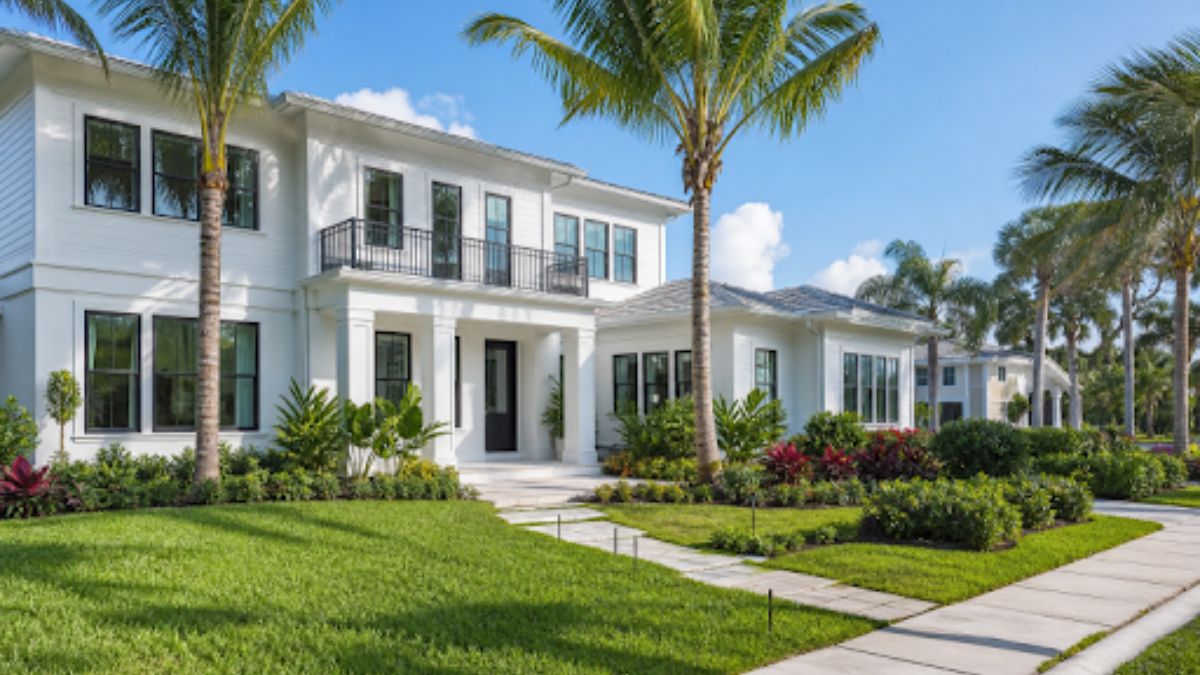









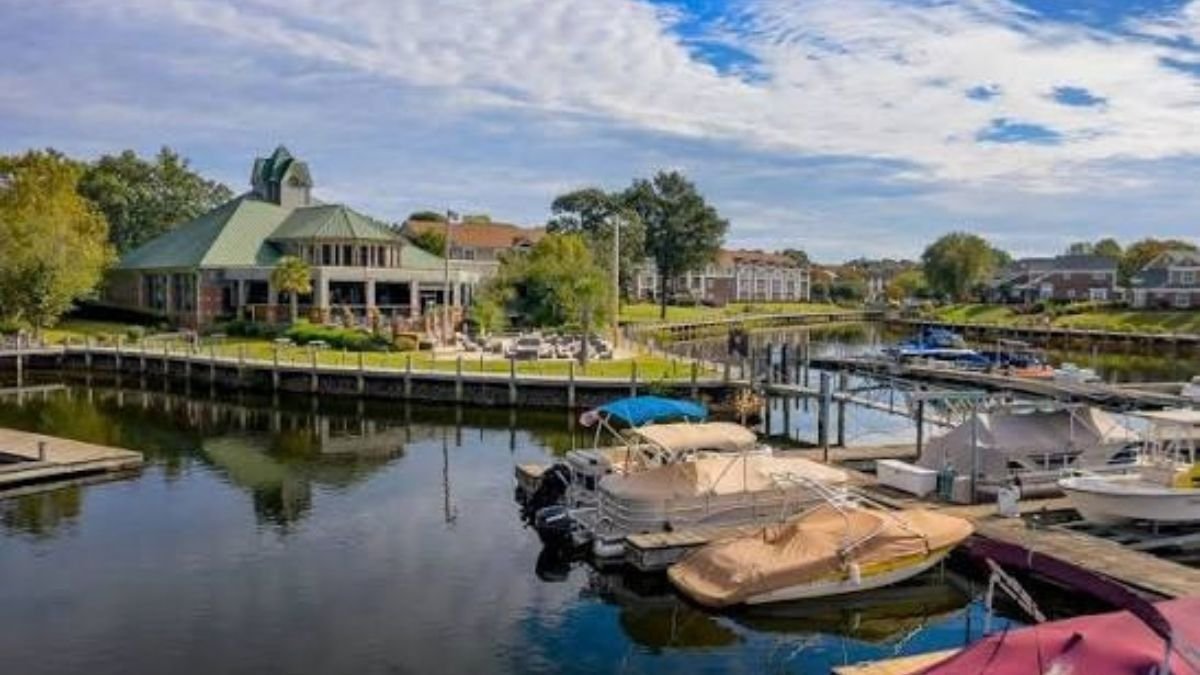
Buying a home around Lake Norman can be exciting, but comparing several properties can quickly become difficult. A bright kitchen, lake view, or large backyard may create a strong first impression, yet the right choice depends on the full picture. Buyers evaluating homes for sale in Mooresville NC, can use Katie Doig’s property-search resources as a starting point for exploring local opportunities. Katie Doig specializes in Lake Norman and Mooresville real estate, including The Point and The Peninsula, with a relevant perspective on nearby Davidson, Cornelius, Troutman, Huntersville, and Charlotte-area communities.
A practical scorecard makes it easier to compare homes based on how they will function in everyday life, what they may cost to own, and how well they could serve future plans. It also creates space for calm decision-making when two homes seem equally appealing.
Why a Homebuyer Scorecard Helps
The lowest asking price does not always make a home the least expensive option. A property with aging systems, a difficult commute, limited storage, or restrictive association rules can create costs and compromises long after closing. A scorecard helps separate emotion from evidence by rating every home in three broad areas:
- Lifestyle fit: Does the home support the household’s routine, space needs, commute, and preferred setting?
- Property risk: Are there visible condition concerns, drainage questions, or repairs that need professional review?
- Long-term value: Does the home have practical qualities that may remain attractive to future buyers?
Step 1: Set a Clear Buying Budget
Start with the complete monthly ownership cost, rather than focusing only on the purchase price. Include the projected mortgage payment, property taxes, homeowners’ insurance, HOA dues when applicable, utilities, and a realistic maintenance reserve. Buyers should also protect cash for inspections, moving, furnishings, immediate repairs, and unexpected expenses.
Online calculators are useful for early planning, but written loan estimates provide a more specific basis for comparison. The North Carolina Housing Finance Agency’s home-buying guidance on credit, down payments, insurance, closing costs, and HOA expenses can help buyers identify ownership costs that are easy to overlook.
Step 2: Separate Must-Haves From Nice-to-Haves
Before scheduling tours, create three short lists. This reduces the chance of spending time on a beautiful home that cannot meet a basic household need.
- Must-haves: Bedroom count, accessibility needs, a workable commute, garage space, school preferences, or a private yard.
- Nice-to-haves: A pool, updated kitchen, bonus room, lake view, screened porch, or dedicated office.
- Deal-breakers: Persistent road noise, a steep lot, insufficient storage, high recurring fees, or a layout that cannot support daily routines.
Step 3: Compare Location Beyond the Mooresville Mailing Address
Mooresville offers many different living environments, from downtown-adjacent streets to lake-oriented neighborhoods and areas with easier access to major roads. Review the exact location, not only the city name. Drive the route during likely work or school traffic, and note access to groceries, medical care, parks, restaurants, and regular errands.
During a showing, pause outside. Listen for highway, rail, business, construction, or boat traffic when relevant. Ask about planned development, road work, and nearby land use. For lake-area homes, compare actual access rights, dock arrangements, neighborhood amenities, and the distance between the house and the features that matter most to your household.
Step 4: Study the Lot and Floor Plan
Single-Family Homes
Lot size alone does not reveal how usable a property feels. Consider whether the land is flat, sloped, wooded, open, or difficult to maintain. Look for drainage paths, driveway access, outdoor privacy, mature trees, and space for pets, play, gardening, or future improvements. Inside, consider whether storage, bedroom placement, stairs, and living areas will still work if your needs change.
Condos and Townhomes
For attached homes, evaluate the unit’s position within the community. Natural light, shared walls, guest parking, storage, outdoor space, trash locations, garages, elevators, and common areas can have a meaningful effect on daily comfort. Review association rules before assuming pets, rentals, exterior changes, or vehicle storage will be permitted.
Step 5: Look Past Finishes and Check Property Condition
Fresh paint and new countertops can improve a showing, but major systems usually deserve closer attention. During tours, make notes about the roof, HVAC equipment, water heater, windows, insulation, electrical panel, plumbing, and visible moisture. Watch for uneven floors, cracks, drainage issues, or signs that a crawl space, basement, or foundation may need further evaluation.
Ask whether additions, decks, finished rooms, and major renovations were permitted when permits were required. A general home inspection can identify many issues, but the next step may be a specialist inspection for the chimney, pool, structural concerns, septic system, well, or pest activity.
Step 6: Build a Due Diligence Checklist
North Carolina buyers commonly use the due diligence period to investigate the property and transaction before deciding whether to proceed. The state real estate commission explains that this period can involve inspections, surveys, appraisals, title work, loan qualification, and repair discussions in its overview of buyer due diligence questions.
- Review the seller’s disclosure statement and inspection reports.
- Confirm title, survey boundaries, easements, restrictive covenants, and access.
- Verify expected insurance availability and premiums.
- Review HOA documents, current dues, pending assessments, and restrictions.
- Consult qualified inspectors, lenders, insurance professionals, attorneys, or planning staff for issues within their expertise.
Step 7: Check Zoning, Association Costs, and Future Use
Confirm whether a property is within the Town of Mooresville or an unincorporated part of Iredell County, then verify the applicable rules before planning an addition, detached garage, accessory dwelling, or home business. Zoning and long-range land-use plans are not the same thing, so direct confirmation matters.
For HOA communities, compare what the fee includes with what your household will genuinely use. Ask about rules for boats, trailers, rentals, pets, landscaping, docks, shoreline access, and exterior changes. Amenities can be valuable, but only when they fit your actual lifestyle.
Step 8: Score Each Home Side by Side
Use a one-to-five rating for each category, with one meaning a serious mismatch and five meaning an excellent fit. Add notes beside every score, especially when a concern needs professional review.
- Price and estimated monthly cost
- Condition and likely repair needs
- Location, commute, and convenience
- Floor plan, storage, and flexibility
- Outdoor space, privacy, and lot usability
- HOA dues, restrictions, taxes, and insurance
- Resale appeal and personal comfort
Compare Resale Strength Without Losing Sight of Lifestyle
Features such as natural light, functional storage, usable outdoor space, flexible rooms, convenient parking, and an understandable layout can appeal to many future buyers. At the same time, do not pay extra for a feature your household is unlikely to use. When scores are close, ask which home will create fewer weekly compromises and which property would be easiest to explain to a future buyer in three to five years.
Final Takeaway
A successful Mooresville home search is not simply about finding the most attractive listing. It is about matching price, condition, location, ownership costs, and future flexibility to real life. A clear scorecard helps buyers ask better questions, identify concerns early, and choose a home with confidence.