







When a refrigerator stops cooling, a dryer will not heat, or a dishwasher leaves water in the tub, it is easy to assume replacement is the only answer. In homes where winter cold, busy family schedules, and older construction can all complicate household routines, a careful diagnosis can prevent a rushed and expensive decision.
Before buying a new appliance, compare the problem, the unit’s age, its repair history, and the full replacement cost. Speaking with an appliance repair contractor can help clarify whether a single failed component is the issue or the appliance is becoming less dependable overall.
First Steps When an Appliance Stops Working
Start with safe, simple checks. If there is smoke, sparking, a burning smell, a gas odor, or active water leaking near electrical parts, stop using the appliance and disconnect power only if it is safe to do so. Do not keep testing an appliance that appears unsafe.
For ordinary malfunctions, check the power supply, tripped breaker, plug, water valves, dryer vent, filters, and visible hoses. Record error codes, unusual sounds, and when the problem began. Locate the model and serial numbers before calling for service, since those details help identify compatible parts and known troubleshooting steps.
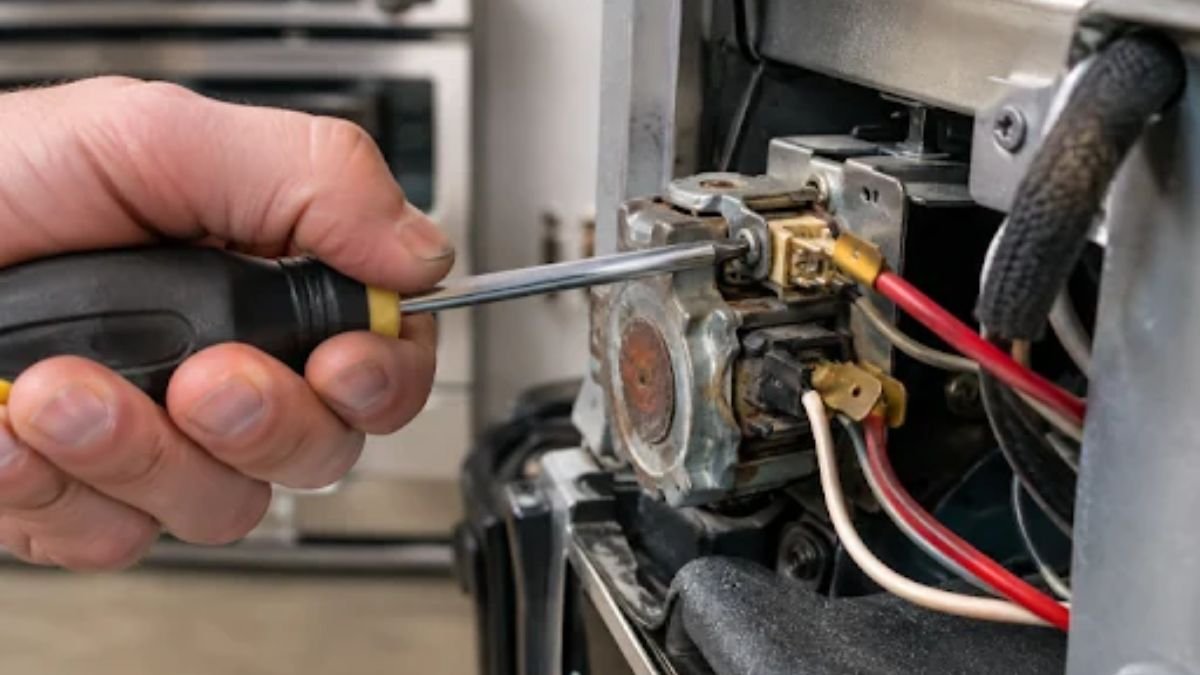
For a clearer assessment of a failed refrigerator, washer, range, or other household unit, professional home appliance repair may identify a repairable issue such as a worn seal, drain blockage, switch, pump, belt, or igniter.
When Repair May Make Sense
Repair is often worth considering when the appliance has otherwise performed reliably, and the failure involves a single identifiable, replaceable part. A newer unit with a broken door gasket, a damaged water hose, a clogged dishwasher filter, or a failed dryer thermostat may have many useful years remaining after an appropriate repair.
Other factors can favor repair:
- The appliance has not needed frequent recent service.
- Parts are available, and the estimate includes a repair warranty.
- The repair cost is comfortably below the price of a comparable replacement.
- Replacing the unit would require cabinet changes, electrical work, or altered plumbing connections.
- The problem appeared suddenly instead of developing through repeated failures.
When Replacement May Be Better
The case for replacement becomes stronger when an appliance has several breakdowns in a short period, the same defect returns after repairs, or critical parts are discontinued. Rust in critical structural areas, severe corrosion, recurring control board problems, failing sealed refrigeration systems, or unsafe wiring can also affect the calculation.
A common guideline is the 50% rule: if the repair estimate reaches about half the cost of a comparable new appliance, pause and compare options carefully. However, a higher-cost repair might still be reasonable for a reliable premium model. At the same time,e even an inexpensive replacement case is worthwhile for a unit with a long history of trouble.
Repair or Replace by Appliance Type
Refrigerators and Freezers
Warm compartments, excessive frost, water below drawers, loud humming, and ice-maker issues can have different causes. Door seals, defrost components, drains, and fans may be repairable. Compressor or sealed-system concerns usually deserve a careful repair-versus-replacement comparison because they can be more complex.
Washers and Dryers
Washers may leak, vibrate, fail to drain, or stop spinning due to issues with the hose, pump, lid switch, or suspension. In contrast,lt. Dryers that take too long to dry may have restricted venting, airflow trouble, a dirty sensor, or a failed heating component. Stop using a dryer that overheats or smells like burning material.
Dishwashers, Ovens, Ranges, and Microwaves
Standing dishwasher water may come from a filter or drain problem, while leaks can involve seals or hoses. Controls, sensors, or igniters can cause uneven oven temperatures and burners that will not ignite. A microwave that runs without heating may involve high-voltage components, so its cabinet should not be opened by a homeowner.
Energy Use and Safety Checks
Operating cost belongs in the decision, particularly for appliances that run frequently. The U.S. Department of Energy notes that appliances account for about 15% of household energy use, with refrigerators, clothes washers, and clothes dryers among the larger users. Comparing estimated annual operating costs, water use, purchase price, installation, and disposal costs provides a more complete picture than comparing sticker prices alone.
Safety comes first. Before continuing to use or arrange service for a questionable unit, check the homeowner’s cabinet database for the model number. Recall remedies can include a repair, replacement, refund, disposal instructions, or updated safety guidance.
Questions to Ask About a Repair Estimate
- What part failed, and what likely caused it?
- Does the price include labor, parts, diagnostic fees, and taxes?
- Are the needed parts readily available?
- Is the repair covered by a warranty?
- Could another aging component fail soon?
- How does the complete repair total compare with a similar replacement?
Common Questions
Is an old appliance always worth replacing?
No. Age matters, but condition, safety, repair history, efficiency, and parts availability matter too. An older appliance that has been reliable and needs a minor repair may still be a practical choice.
Should homeowners attempt appliance repairs themselves?
Basic maintenance, such as cleaning filters or checking an accessible hose, may be appropriate when the owner’s manual allows it. Gas connections, warranty coverage for repair systems, and microwave high-voltage components should be left to qualified professionals.
How many repairs are too many?
There is no universal number. Several repairs within a short period, especially for different major components, can indicate that replacement will provide more dependable long-term value.
Final Thoughts
The best repair-or-replace decision considers the whole appliance, not just today’s symptom. A sound diagnosis, a complete estimate, safety checks, and an honest comparison with replacement costs can help homeowners make a calmer, more practical choice.