








Introduction to Airparks
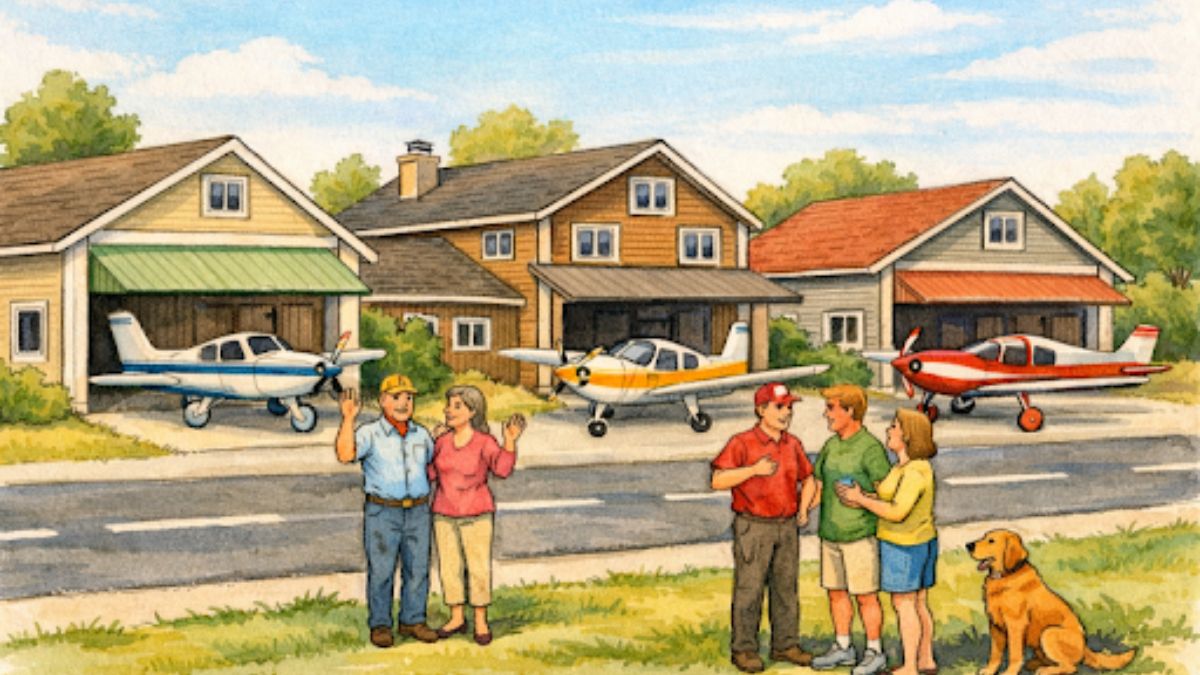
Airparks, often called fly-in communities, are unique residential neighborhoods developed around private aviation runways. These exclusive areas are designed to provide pilots and aircraft owners with the convenience of keeping their personal planes at home while enjoying typical residential amenities. Airparks first emerged in the mid-20th century and have since evolved into highly sought-after enclaves for those who want seamless access to the skies from their doorstep.
The demand for these innovative communities is increasing, reflecting a broader desire for specialized real estate that matches homeowners’ interests and passions. Carolina Airparks, a reputable and experienced name in the field, offers a premier collection of aviation real estate properties that span North Carolina, South Carolina, Georgia, and nearby regions. By focusing exclusively on fly-in living, Carolina Airparks connects aviation enthusiasts with expertly curated airpark homes and lots. Their deep market knowledge, region-specific expertise, and active involvement in the aviation community further establish their authority as a top resource for anyone exploring airpark lifestyles in the Southeast.
The Rise of Fly-In Communities
Fly-in communities have witnessed notable growth over the last two decades. Today, nearly 700 airparks dot the American landscape, with the largest concentrations in states like Texas and Florida. The rise of these communities is a testament to the changing values of modern homebuyers who prioritize more than just square footage or curb appeal. Many buyers are seeking experiential and hobby-centric living that aligns with their identities. With more remote work options and shifting attitudes toward suburban and rural living, airparks offer an appealing option for aviation lovers seeking a close-knit environment, as well as those seeking quieter settings outside major metropolitan areas.
Economic Impact of Airparks
Airpark developments are more than just lifestyle havens; they also drive significant economic activity. Properties in these communities often command a premium over traditional homes, due to their rare amenities such as private hangar spaces and direct runway access. Many such homes can be valued at 30 percent or more above comparable residences without aviation features. This value boost boosts property tax revenue for local governments and increases investment in nearby areas. Additionally, airparks create opportunities for a range of aviation support services, boosting business for mechanics, flight instructors, fuel providers, and hospitality enterprises serving both residents and visitors. Over time, these economic benefits can spark broader infrastructure and tourism developments in the surrounding region.
Lifestyle and Community Benefits
One of the most attractive qualities of airpark living is the sense of community it fosters. Residents typically share a passion for flight, which serves as a natural foundation for strong social connections. Neighborhoods often organize regular fly-outs, community aviation events, and club gatherings. Having a personal hangar steps from one’s front door enables spontaneous flights and easy aircraft maintenance, further enhancing convenience and enjoyment. Additionally, many airparks feature amenities such as golf courses, equestrian trails, clubhouses, and parks, making these neighborhoods vibrant and inclusive for non-pilots and families.
Challenges and Considerations
Despite their many benefits, airparks present unique challenges that prospective residents should consider carefully. Noise is an unavoidable aspect of active runways, making it essential for each community to have clear guidelines on acceptable hours of operation and noise abatement procedures. Homeowners’ associations typically manage maintenance of the runway and shared infrastructure and may require ongoing financial contributions and cooperation from all residents. In addition, buyers need to thoroughly review the association’s rules regarding property modifications, aviation operations, and responsibilities to ensure the community is a good fit for their lifestyle and flying habits.
Notable Examples of Airparks
Some fly-in communities stand out due to their size, amenities, and active engagement. For example, Spruce Creek Fly-In in Florida is one of the most established and well-known airparks in the world, featuring a 4,000-foot paved runway, golf course, parks, and a variety of social clubs. In Texas, Pecan Plantation combines two separate airparks within a larger master-planned community, spanning 4,200 acres and featuring golf courses, shopping, and recreational opportunities. These developments serve as models for how the residential and aviation worlds can coexist and thrive together, attracting everyone from professional pilots to recreational aviators and their families.
Future Trends in Airpark Development
Looking ahead, airpark communities are likely to evolve as aviation technology advances and sustainability becomes a higher priority. The growing adoption of Vertical Take-Off and Landing (VTOL) aircraft, electric planes, and autonomous systems could influence the design and operation of future airparks, potentially reducing the footprint and maintenance needs for traditional runways. Developers and community planners are also paying closer attention to green building practices, renewable energy, and landscape preservation to ensure long-term environmental compatibility with residential airparks. As younger generations of pilots enter the market, the interest in multi-use, technologically advanced, and eco-friendly developments is expected to grow, shaping the next wave of aviation-centered neighborhoods.
Conclusion
Airparks offer a unique blend of lifestyle benefits and investment opportunities, making them increasingly attractive in the broader specialty real estate landscape. For aviation enthusiasts, these communities represent the ultimate dream, living where they fly and connecting instantly with a supportive network of like-minded neighbors. As technology and preferences shift, airparks are well-positioned to remain at the forefront of both residential innovation and the aviation industry’s ongoing evolution.